
Automatic driving lessons are one of the most effective ways to help nervous beginners build confidence behind the wheel. Many learners feel anxious at the start, especially when they think about traffic, controls, and making mistakes.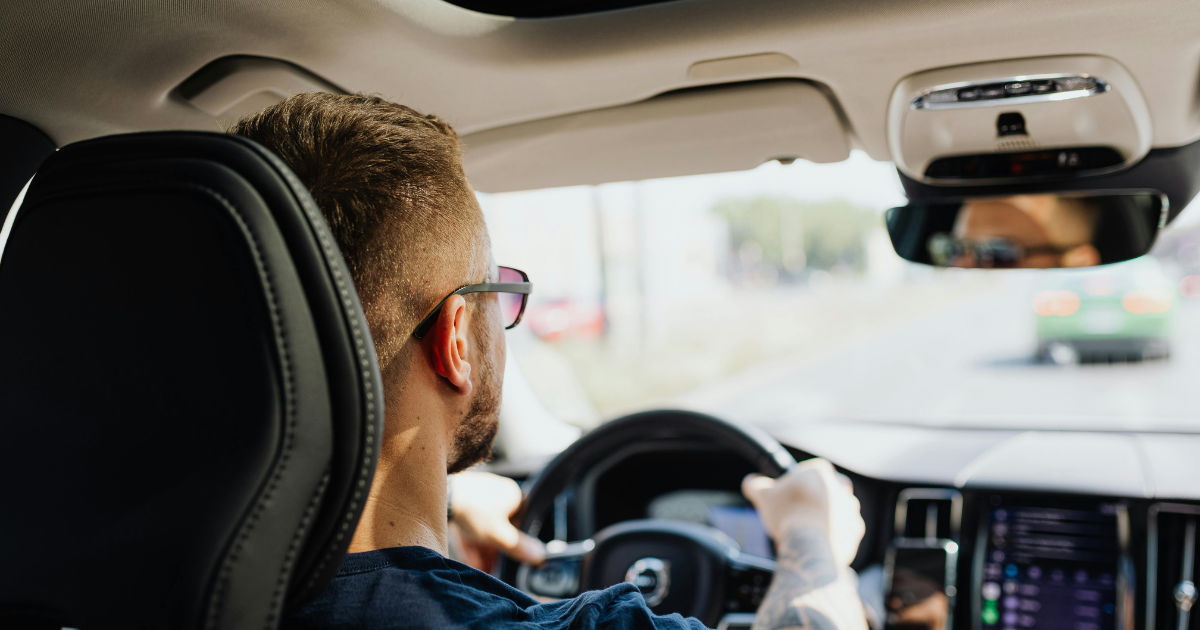
Automatic driving lessons reduce that pressure by simplifying the learning process, allowing students to focus more on road awareness rather than gear changes.
In this guide, we will explore everything nervous beginners need to know to feel calm, prepared, and confident while learning to drive. Automatic driving lessons can transform fear into steady progress when approached correctly.
Nervousness in New Drivers
Nervousness is completely normal for beginners. Most learners feel pressure when they first sit in the driver’s seat. The fear usually comes from uncertainty. You may worry about stalling, hitting the curb, or reacting too slowly.
Automatic driving lessons help reduce these fears because the car handles gear shifting on its own. This allows beginners to focus on steering, braking, and road observation. When learners feel less overwhelmed, confidence starts to grow naturally.
Automatic driving lessons also create a smoother learning experience because there are fewer tasks to manage at once. This is especially helpful for people who feel anxious in fast-changing environments like busy roads.
Why Nervous Beginners Struggle with Manual Driving
Many nervous learners struggle with manual cars because they require coordination between clutch, gear, and accelerator. This can feel overwhelming at first.
In contrast, automatic driving lessons remove the need for clutch control. This significantly reduces mental pressure and allows beginners to focus on safe driving habits.
When students take automatic driving lessons, they often progress faster in understanding road positioning and hazard perception. Without the distraction of gear changes, the brain can process traffic situations more clearly.
Automatic driving lessons also help reduce the fear of stalling, which is one of the biggest confidence barriers for beginners.
Building the Right Mindset Before Starting Lessons
A calm mindset is essential for nervous beginners. Before starting, it helps to accept that mistakes are part of learning. Every experienced driver once felt the same anxiety.
Automatic driving lessons make this process smoother by reducing technical difficulty. However, mindset still plays a key role in success. Learners should focus on progress rather than perfection.
With automatic driving lessons, students can gradually build confidence at their own pace. It is important to stay patient and avoid comparing yourself to others.
What Happens in Your First Driving Lesson
The first lesson is usually focused on getting comfortable in the car. You will learn basic controls such as steering, braking, mirrors, and indicators.
During automatic driving lessons, instructors often begin in quiet areas. This helps reduce stress and allows learners to adjust slowly.
Most beginners feel nervous at first, but automatic driving lessons are designed to ease you into driving without overwhelming pressure. The instructor will guide you step by step, ensuring you feel safe throughout the process.
Automatic driving lessons often include simple driving routes in early sessions to help learners build confidence gradually.
How Automatic Cars Make Learning Easier
One of the biggest advantages of automatic driving lessons is the simplicity of the vehicle. There is no clutch or gear shifting, which removes a major source of stress.
This allows beginners to focus on steering control and road awareness. Many learners find that automatic driving lessons help them understand traffic flow more quickly because their attention is not divided.
In addition, automatic driving lessons make hill starts and traffic jams much easier to handle. The car adjusts itself, so learners can stay calm in situations that would normally feel stressful.
Managing Anxiety While Driving
Anxiety can affect concentration, so managing it is important for success. Deep breathing before and during lessons can help calm the mind.
Automatic driving lessons are especially helpful for anxious learners because they reduce multitasking. When the car handles gear changes, the brain can focus on staying relaxed.
Over time, repeated automatic driving lessons help reduce fear naturally. Familiarity with the car and road situations builds confidence step by step.
Automatic driving lessons also help learners gain trust in their instructor, which further reduces stress.
The Role of a Patient Driving Instructor
A good instructor plays a huge role in helping nervous beginners succeed. Patience, calm communication, and clear instructions are essential qualities.
During automatic driving lessons, instructors focus on creating a stress-free environment. They avoid rushing learners and instead encourage gradual improvement.
Automatic driving lessons with a supportive instructor help students feel safe to ask questions and make mistakes. This emotional support is just as important as technical learning.
Many learners find that automatic driving lessons become easier when they trust their instructor completely.
Common Fears Nervous Beginners Experience
Many new drivers share similar fears. One of the most common is fear of traffic. Busy roads can feel intimidating at first.
Automatic driving lessons help reduce this fear because learners can focus on observation rather than gear control. Another common fear is making mistakes in front of other drivers.
With automatic driving lessons, beginners can focus on correcting mistakes calmly without feeling overwhelmed. There is also fear of sudden situations like braking too late or missing signs.
Automatic driving lessons gradually expose learners to real traffic situations so confidence builds naturally over time.
Step-by-Step Progress in Learning
Progress in driving does not happen overnight. It is a gradual process that builds with each session.
In the beginning, automatic driving lessons focus on basic control and awareness. Later, learners move on to traffic handling, roundabouts, and parking.
Each stage of automatic driving lessons is designed to match the learner’s confidence level. This step-by-step structure ensures steady improvement without pressure.
Over time, repeated automatic driving lessons help nervous beginners become confident and independent drivers.
Overcoming Mistakes During Practice
Mistakes are a normal part of learning. Every learner makes them, especially in the beginning.
Automatic driving lessons help reduce the impact of mistakes because the car is easier to control. Even if something goes wrong, instructors guide you calmly.
During automatic driving lessons, mistakes are used as learning opportunities. Instead of fear, learners begin to see mistakes as part of progress.
With continued automatic driving lessons, the number of mistakes naturally decreases as confidence increases.
Building Confidence Through Repetition
Repetition is key to becoming a confident driver. The more you practice, the more natural driving feels.
Automatic driving lessons allow learners to repeat essential skills without the added pressure of gear control. This repetition builds muscle memory and improves reaction time.
With consistent automatic driving lessons, learners begin to anticipate road situations better. Confidence grows as skills become more automatic.
Automatic driving lessons are especially helpful for nervous beginners because they allow steady, stress-free repetition.
Handling Traffic and Real Road Situations
One of the biggest challenges for beginners is dealing with real traffic. It can feel fast and unpredictable at first.
Automatic driving lessons help learners adapt gradually to traffic conditions. Without gear changes to worry about, attention can stay on surroundings.
During automatic driving lessons, instructors guide learners through different road types, including residential streets and busy junctions.
With time, automatic driving lessons help learners understand traffic flow and make safer decisions naturally.
Parking and Slow-Speed Control
Parking is often a stressful part of learning to drive. Many beginners worry about accuracy and space judgment.
Automatic driving lessons make parking easier because the car moves more smoothly at low speeds. Learners can focus on steering and positioning.
With practice in automatic driving lessons, parking becomes less intimidating. Instructors often repeat exercises until learners feel comfortable.
Over time, automatic driving lessons help build precision and confidence in tight spaces.
Preparing for the Driving Test
As learners progress, they begin preparing for the driving test. This stage can feel stressful, but preparation makes a big difference.
Automatic driving lessons focus on test routes, hazard perception, and safe driving habits. Instructors ensure learners are familiar with all test requirements.
Regular automatic driving lessons help reduce test anxiety by building familiarity with exam conditions. The more practice you get, the more confident you feel.
Automatic driving lessons also help learners develop consistency, which is essential for passing the test.
Long-Term Benefits of Learning in an Automatic Car
Learning in an automatic car has long-term advantages, especially for nervous beginners. It simplifies driving and reduces stress.
Automatic driving lessons allow learners to become confident drivers more quickly. Many people prefer automatic cars for daily use because they are easier to manage.
With automatic driving lessons, learners can focus on safety, awareness, and decision-making instead of mechanical control.
In the long run, automatic driving lessons help build safe and responsible driving habits.
Conclusion
Becoming a confident driver takes time, patience, and practice. Nervousness is normal, but it does not last forever.
Automatic driving lessons provide a supportive and simple way to learn driving skills without unnecessary pressure. They allow beginners to focus on the road and build confidence step by step.
With consistent effort, automatic driving lessons turn nervous beginners into capable drivers who feel comfortable in different road conditions. The key is to stay calm, keep practicing, and trust the learning process.
Automatic driving lessons are not just about passing a test—they are about building lifelong driving confidence.

+ There are no comments
Add yours